Easy Crochet Dishcloth: Free Beginner Pattern & Materials
A simple cotton dishcloth sits comfortably in the hand, offering a dense, scrubby texture that clears stuck-on food from plates far better than a thin store-bought sponge. This small project is a quiet way to spend an hour, whether you are unwinding after a long day or simply need a practical housewarming gift for a friend. You will master the basic single crochet stitch and learn how to manage tension for a uniform square. This straightforward guide walks you through every material you need to get started, ensuring your final piece is durable, absorbent, and ready for daily kitchen duty.
Why This Project Is Worth Making
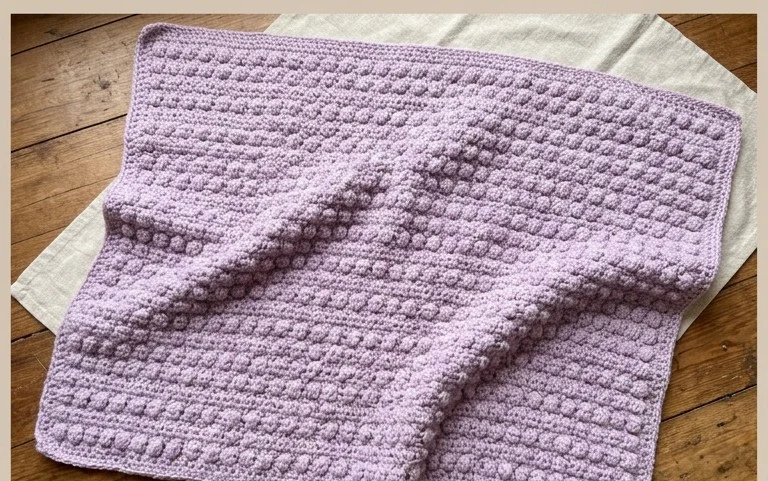
The Classic Crochet Dishcloth provides a satisfying, rhythmic project that creates a functional tool for your home. You work this pattern in a simple repeating stitch that builds a dense, scrubby fabric perfect for cleaning glassware or wiping down counters. Because it uses a small amount of yarn, it serves as an excellent way to use up leftover cotton from larger projects. The resulting cloth holds its shape through repeated washings and offers a sturdy texture that store-bought sponges cannot replicate.
I finished this dishcloth in one evening while watching a movie. It works up very quickly and the texture is much better for scrubbing than anything I have bought at the store.
— Sarah, home crafter
Pattern Overview & Skill Level
- Skill Level: Beginner
- Approximate Time: 1 to 1.5 hours
- Construction: Worked in flat rows starting from a foundation chain
- Finished Dimensions: 8 inches by 8 inches
Materials & Supplies Needed
- Yarn: Worsted weight (#4) 100% cotton yarn, approximately 60 yards. Solid colors are best for visibility.
- Hook Size: 5.0 mm (US H-8) crochet hook.
- Notions: Tapestry needle for weaving in ends, scissors.
- Yarn Substitutions: Always use 100% cotton or a cotton-linen blend. Acrylic yarn will not absorb water effectively and should be avoided for kitchen use.
Stitch Guide & Abbreviations (US Terms)
- ch = chain
- sc = single crochet
- dc = double crochet
- st = stitch
- sk = skip
- YO = yarn over
- Turning ch-1 does not count as a stitch throughout.
Step-by-Step Pattern Instructions
- Foundation: Ch 31.
- Row 1: Sc in 2nd ch from hook and in each ch across. Turn. (30 sts)
- Row 2: Ch 1, dc in next st, sc in next st repeat from * to * across until 1 st remains, dc in last st. Turn. (30 sts)
- Row 3: Ch 1, sc in next st, dc in next st repeat from * to * across until 1 st remains, sc in last st. Turn. (30 sts)
- Rows 4–30: Repeat Rows 2 and 3 until the piece forms a square measuring 8 inches.
- Finishing: Fasten off leaving a 6-inch tail. Use your tapestry needle to weave the yarn end back into the fabric, moving in different directions to ensure it stays secure during laundering.
Care & Washing Instructions
- Machine wash in warm water on a gentle cycle to prevent fraying.
- Tumble dry on low heat or lay flat on a towel to air dry completely.
- Reshape the dishcloth while damp if it appears slightly stretched from the wash.
Pro Tips & Common Mistakes to Avoid
Maintain consistent tension throughout the project to ensure the square edges remain straight. If your edges are curling, you are likely pulling the stitches too tightly on the ends of the rows. Use a stitch marker on the first stitch of every row if you find yourself accidentally skipping the last stitch, as losing stitches will result in a trapezoid shape rather than a square. You can easily adjust the size by increasing or decreasing the foundation chain by any odd number, though note that a larger size will require an additional ball of yarn.
Frequently Asked Questions
Can I use a larger hook for this pattern?
Using a larger hook will make the fabric looser and less effective for scrubbing. Stick to the 5.0 mm hook to maintain the density required for a functional kitchen cloth.
Is this pattern suitable for someone who has never crocheted before?
Yes, this is an ideal starter project. It only requires knowledge of two basic stitches and focuses on maintaining a straight edge across a flat rectangle.
Why does my dishcloth look like a triangle?
This happens when you lose stitches at the end of your rows. Always count your stitches at the end of every row to ensure you have exactly 30 stitches before turning.
Can I sell the dishcloths I make from this pattern?
You are welcome to sell finished items made from this pattern in small quantities. Please credit the design to this tutorial when listing your products online.
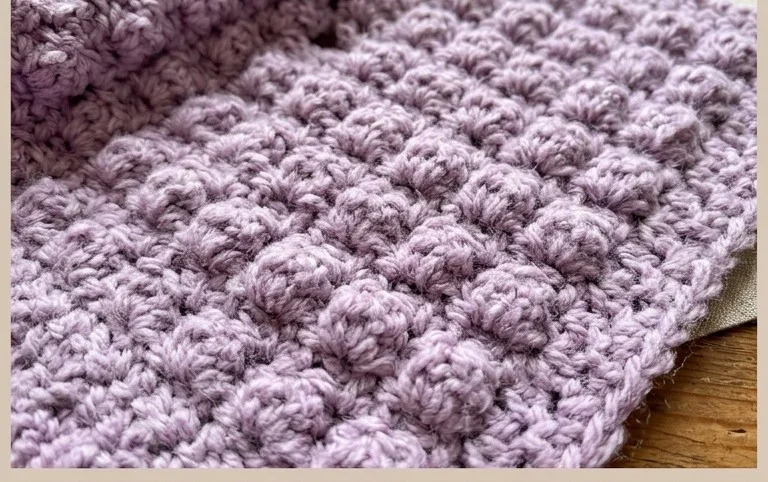
Your finished dishcloth will stand up to hundreds of scrub cycles in the kitchen while keeping your counters clean and streak-free. If you enjoy this size, try working with two strands of yarn held together to create a thicker, larger cloth for heavy-duty pots. Post a photo of your work on Instagram so others can see your color choices in action. Head over to my pattern library to find more functional items for your home that use up your remaining cotton scraps.