9 Free Sunburst Granny Square Patterns for Beginners
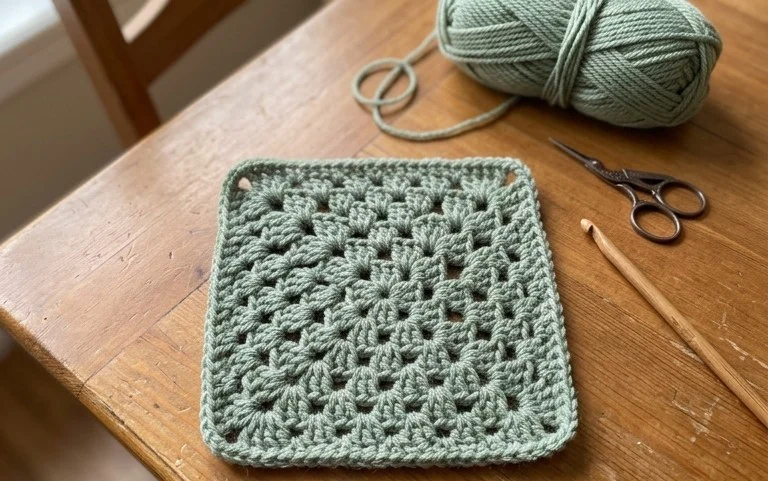
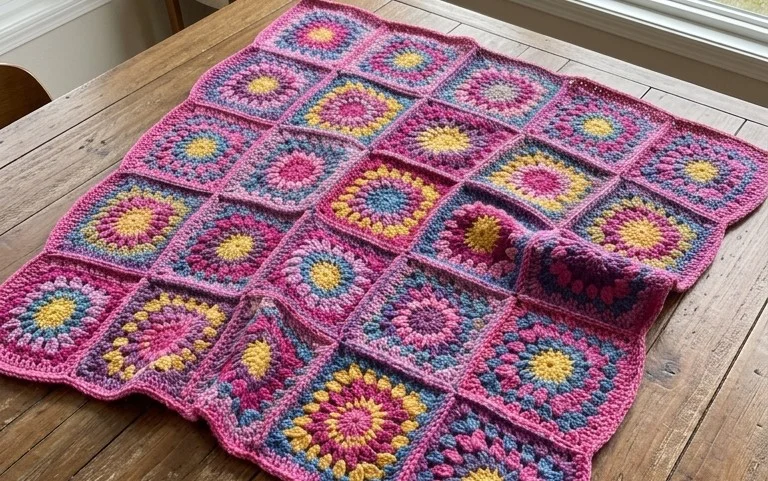
A bright flower center popping against a square frame defines this project, making every square look like a tiny garden piece. These motifs have a soft, raised texture that feels substantial in your hands and creates a comfortable, weighted fabric when joined together. Whether you are building your first blanket or just need a portable project for the train, these squares fit easily into any bag. You will master the puff stitch and corner turning techniques as you work through each round, building a solid base that holds its shape wash after wash. The process is meditative and quick to learn for makers of any skill level.
Why Crocheters Love It
This classic crochet dishcloth pattern uses a durable cotton yarn, making it ideal for scrubbing dishes or wiping down kitchen surfaces. Because it relies on simple, repeating stitches, you can finish one in a single evening while watching your favorite show. The textured surface provides a gentle but effective scrub that outperforms store-bought synthetic sponges. You can easily adjust the starting chain to make these smaller as coasters or larger as washcloths, making them a highly practical addition to any home.
I have made dozens of these for my family and friends. The texture is perfect for heavy-duty cleaning and they hold up beautifully through dozens of cycles in the washing machine.
— Sarah, home crafter
Pattern Overview & Skill Level
- Skill Level: Beginner
- Approximate Time: 45–60 minutes per cloth
- Construction: Worked in flat rows using a simple stitch repeat
- Finished Dimensions: 8 inches by 8 inches
Materials & Supplies Needed
- Yarn: Worsted weight (#4) 100% cotton yarn, approximately 60 yards per cloth. Solid colors show texture best.
- Hook Size: 5.0 mm (H-8) crochet hook.
- Notions needed: Tapestry needle for weaving in ends, pair of scissors.
- Safe yarn substitutions: You may use a cotton-acrylic blend for a softer feel, but pure cotton is recommended for maximum absorbency and durability in hot water. Avoid wool or synthetic acrylic as they do not absorb water effectively for dishwashing.
Stitch Guide & Abbreviations (US Terms)
- ch = chain
- st = stitch
- sc = single crochet
- dc = double crochet
- sk = skip
- sl st = slip stitch
- Moss Stitch: A pattern created by alternating single crochet stitches with chain spaces.
Step-by-Step Pattern Instructions
Main Body
- Row 1: Ch 30. Sc in the 4th ch from hook. *Ch 1, sk 1 ch, sc in the next ch. Repeat from * until the end of the row. Turn your work. (15 sc, 14 ch-1 spaces).
- Row 2: Ch 2 (counts as first ch and skip). Sc into the first ch-1 space. *Ch 1, sk 1 sc, sc into the next ch-1 space. Repeat from * ending with a sc into the turning chain space. Turn your work. (15 sc, 14 ch-1 spaces).
- Rows 3–40: Repeat Row 2 until the piece measures approximately 8 inches from the starting edge.
- Finishing: Fasten off the yarn, leaving a 6-inch tail. Use the tapestry needle to weave the end back into the fabric, moving in different directions to ensure it remains secure during washing.
Care & Washing Instructions
- Machine wash in warm water on a gentle cycle to remove oils and food particles.
- Lay the cloth flat on a clean towel to dry, reshaping the edges with your hands if necessary.
- Avoid using bleach or harsh fabric softeners, as these can break down the cotton fibers and reduce absorbency.
Pro Tips & Common Mistakes to Avoid
- Consistent Tension: Cotton yarn has no elasticity. Try to maintain an even tension throughout each row to keep the edges straight rather than wavy.
- Counting Stitches: Use a stitch marker on the first sc of every row if you find yourself accidentally adding or losing stitches at the edges.
- Weaving Ends: Do not just snip the yarn after fastening off. Weave the end through at least three rows of stitches to prevent the cloth from unraveling after a hot wash.
- Adjusting Size: To change the size, simply add or subtract an even number of stitches to your starting chain. Each additional 2 chains will add roughly 0.5 inches to the width of the cloth.
Frequently Asked Questions
Can I use a larger hook for this pattern?
Yes, using a larger hook will make the cloth airier and faster to work up, but it will also make the fabric looser and potentially less effective as a scrubber. Stick to the recommended 5.0 mm hook for a dense, durable weave.
Is this project suitable for a total beginner?
Absolutely. This pattern uses only chains and single crochet stitches, which are the fundamental building blocks of all crochet. It is an excellent way to practice even stitch tension.
Are these items safe to sell at craft fairs?
You are welcome to sell items made from this pattern as long as you use your own photographs and credit the design. Always check your local regulations regarding the sale of handmade textile items.
Why does my cloth look like a trapezoid?
This usually happens when you miss the last stitch at the end of a row or add an extra one. Always count your stitches at the end of every row to ensure you have 15 single crochets consistently.
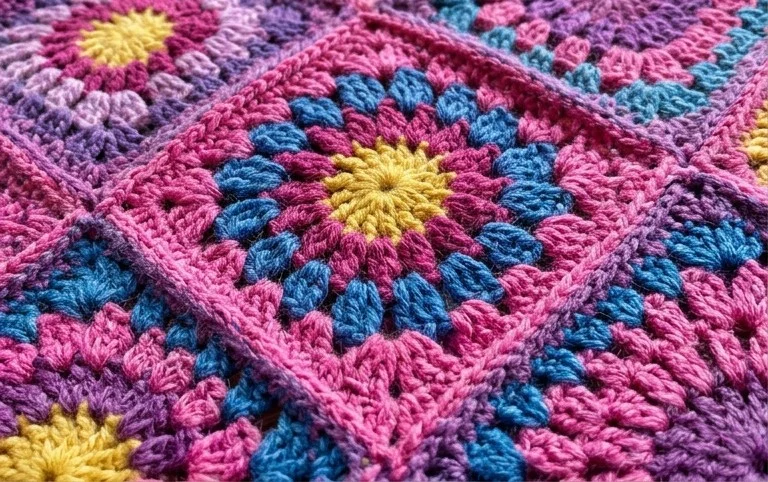
These squares transform a pile of yarn scraps into a colorful throw or a set of warm kitchen coasters that you can enjoy for years. Try using a lighter weight wool instead of cotton if you prefer a softer, drape-heavy throw for your couch. Sharing a picture of your finished work online helps other makers find inspiration for their own color choices. You can find more free instructions and project ideas in our archives whenever you are ready to start your next handmade piece.